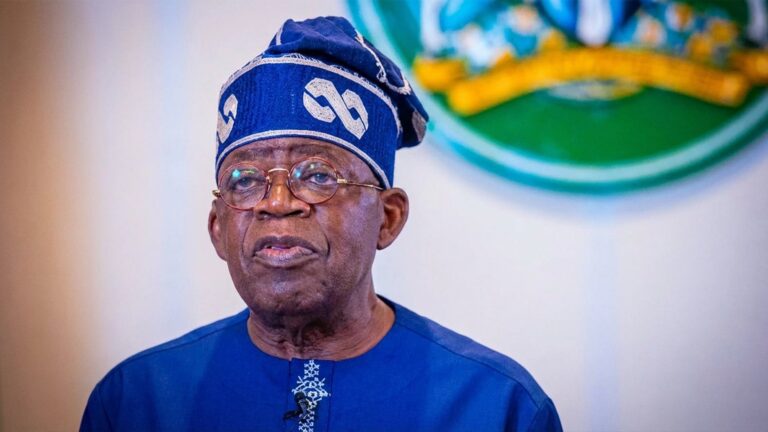
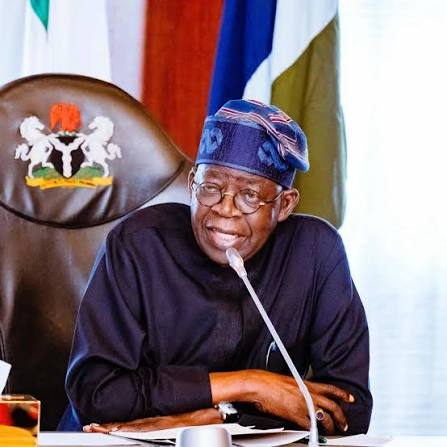
President Bola Ahmed Tinubu has announced a joint effort with Nigeria’s state governors to reduce public transport fares across the country, focusing on compressed natural gas (CNG) and electric vehicles. The statement, issued on 27 August 2026 after discussions with the Governors’ Forum, centres on the principle that cheaper fuel must result in cheaper fares for commuters.
The President said he was pleased that the governors had taken the initiative to act in their states, where intra-state transport costs hit ordinary Nigerians hardest. States control many of the levers that can turn lower operating costs into actual fare reductions. A joint federal-state committee will now implement the measures immediately.
Federal investment in the energy transition is already substantial. The Presidential CNG Initiative has converted more than 120,000 vehicles nationwide, with over 100,000 additional conversion kits on the way. Conversion centres and refuelling infrastructure continue to expand. The Midstream and Downstream Gas Infrastructure Fund is financing more than 100 gas projects, including 15 CNG mother stations and 86 daughter stations. Four of these projects were commissioned in May in Lagos, Abuja and Owerri. An extra 500 CNG stations have been ordered on top of 500 already planned, bringing the nationwide target to 1,000 stations.
A vehicle running on CNG typically spends 60 to 80 per cent less on fuel than one using petrol. The stated goal is that commuters begin to feel those savings through lower transport fares from 1 October 2026.
The announcement follows the governors’ own meeting, where they backed a state-led National Affordable CNG Transit Programme. Under that proposal, states would support vehicle conversions, fleets and infrastructure while participating operators commit to reduced fares. Officials have noted that cheaper transport could also ease the cost of moving food and other goods.
The message from both the presidency and the governors is straightforward: the cost benefits of CNG should reach passengers, not stop with operators. Whether the October target is met will depend on how quickly conversions, stations and operator commitments come together on the ground.
About the Author