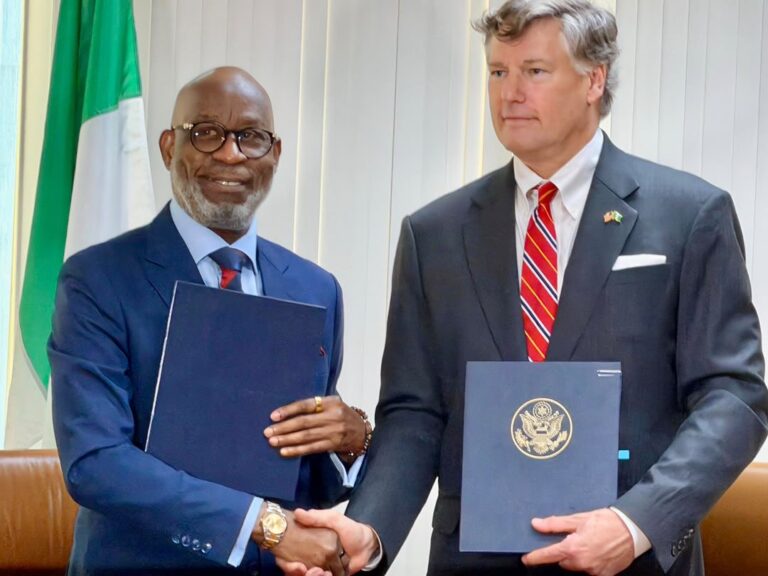

The Federal Government has approved the comprehensive modernisation and upgrade of Onne, Rivers, Delta and Calabar Ports. The announcement, made on 27 September 2026 by the Minister of Marine and Blue Economy, Adegboyega Oyetola, extends the national port reconstruction programme beyond Lagos and is intended to create a more balanced, efficient and competitive maritime system.
The decision follows earlier approval for the upgrade of Apapa and Tin Can Island Ports. Officials say spreading investment to the eastern and south-south ports will ease the long-standing concentration of cargo traffic in Lagos, open additional international trade gateways and support industrial and regional development. Improved infrastructure is expected to raise cargo-handling capacity, shorten vessel turnaround times, strengthen regional connectivity and make the movement of goods more predictable and cheaper for Nigerian businesses.
Oyetola framed the project as part of President Bola Tinubu’s Renewed Hope Agenda, which places infrastructure renewal and economic diversification at the centre of policy. Modern ports, he said, are essential because they facilitate trade, support industry, attract investment and create jobs. The ministry will work with state governments, terminal operators, investors and shipping lines to turn the approvals into measurable operational gains.The upgrade of existing ports sits alongside a wider pipeline of new deep-seaport projects. Federal approvals have already been granted for Ibom Deep Seaport (Akwa Ibom), Bakassi Deep Seaport (Cross River), Agge Deep Seaport (Bayelsa), Gateway Deep Seaport (Ogun), Ondo Deep Seaport and Bonny Deep Seaport (Rivers). Together, the government argues, the combination of refurbished legacy ports and new deep-water facilities will expand national maritime capacity and position Nigeria as a leading logistics hub in Africa.
The stated vision is an integrated system in which ports, roads, rail and inland waterways operate together so that cargo moves more smoothly from ship to market. Whether the approvals translate into timely construction, reliable funding and lower logistics costs will determine how quickly the promised benefits reach importers, exporters and the wider blue economy.
About the Author